“食客”的“时刻”,是文明互鉴最温柔的打开方式(4)
"Food Moments" with "Foodies": The Gentlest Way to Initiate Cross-Cultural Dialogue
Editor's Note: Food is a cultural code that transcends time and carries shared human emotional memories. When teenagers from different countries gather around a table, and different languages find common ground in the word "delicious," cultural barriers quietly melt away with the clinking of bowls and chopsticks. In the Junior Cultural Ambassadors international exchange event, hosted by the China Soong Ching Ling Foundation, young food enthusiasts from around the world are embarking on a new chapter of communication and exchange through their exploration of taste. China.com's Inquiring Youth, Inheriting Culture(青衿问道,文脉传承)column focuses its lens on these "food moments," capturing heartwarming instances of cultural exchange and mutual learning.
When asked about her favorite Chinese food, American girl Clementina Coolidge Deane's eyes immediately lit up. "It's baozi!" she answered without hesitation. During the special food experience activity, Nana also personally made shiitake mushroom and bok choy baozi(香菇油菜包子). "I usually don't like shiitake mushrooms because I think they taste like rubber," she said with a smile, "but in Chinese baozi, I think they are really delicious."
Remamy Larenah Tony from Madagascar tasted dumplings for the first time in China. The rich fillings of the dumplings amazed her, and this sparked her desire to make dumplings herself. This wish is the best embodiment of Tony actively embracing Chinese culture.
Шахова Таисия Алексеевна from Russia gave a different answer than most when it came to her favorite Chinese food: "scallions mixed with tofu(小葱拌豆腐)." She has already learned to cook this dish and hopes to learn more complex Chinese dishes after her trip to China.
In the process of savoring Chinese cuisine, the Junior Cultural Ambassadors not only developed a strong interest in Chinese food culture through their personal taste experiences, but also began to try to understand and interpret Chinese culture in their own ways. Their sharing went beyond simple taste evaluations, becoming a vibrant cultural dialogue. Through tasting and communication, the "Junior Ambassadors" gradually came to understand the profound historical and cultural connotations behind the food. Although everyone's feelings were not exactly the same, it was the interweaving of these differences and commonalities that made cross-cultural exchange richer and more vivid.
During the event, the "Junior Ambassadors" exchanged their views on Chinese cuisine and shared the differences between their national foods and Chinese food. Aliaksandra Vasileuskaya from Belarus mentioned that she really likes Peking duck. She also noted that compared to the sweeter desserts in Belarus, Chinese desserts have a richer variety of flavors. Therefore, she really wants to introduce these delicacies to her friends back home.
Both Tony and Nana compared the "spicy" in China with the "spicy" in their hometowns, while Adil Ally Ahemd from Tanzania and Hanna from Belarus both expressed their fondness for Chinese hotpot.
When Junior Cultural Ambassadors from all over the world sat around a table, facing the colorful, aromatic, and delicious Chinese cuisine, a cross-border dialogue began. In the process of tasting and communicating, food transformed into a silent messenger, bringing people from different cultural backgrounds closer through the resonance of their taste buds and creating shared memories. At this moment, food, as a medium for cultural dialogue, allowed participants to gain a more concrete understanding of Chinese culture in a relaxed atmosphere.
Chinese cuisine brought unforgettable taste experiences to the Junior Cultural Ambassadors and led them to moments of emotional resonance. Chinese dumplings reminded Hanna of her homeland's pelmeni (traditional Belarusian dumplings). The process of making dumplings and zongzi reminded 14-year-old Spanish teenager Lin Sanchez Barba Millan of the time he spent busy in the kitchen with his mother. Lin Mi-yang shared his experience of making traditional Chinese food with his mother in the interview: "My mother is also Chinese, and she taught me how to make zongzi and xiao long bao."
In foreign kitchens, overseas compatriots and their children cook together, weaving a cultural inheritance bond that spans geographical barriers and generational gaps in the warmth of home cooking. This family interaction, with taste as the medium and craftsmanship as the carrier, not only recreates the taste of home from memory but also subtly implants the genes of Chinese culture into the growth memories of the next generation with each kneading and steaming. This allows Chinese descendants around the world to touch their cultural roots, which have traveled thousands of mountains and rivers, amidst the rising steam.
As a living heritage of civilization, diet carries a nation's unique historical memory, lifestyle, and spiritual pursuits. The "Junior Ambassadors" entered the "moment" of Sino-foreign exchange as "foodies," engaging in cultural sharing and cultural perception through cross-cultural dialogue. When they taste traditional Chinese dishes, they are not only experiencing the taste of the food itself but also understanding the Chinese philosophy of "food is the primary need of the people" that has existed for thousands of years. This form of exchange, with taste as its bond, transforms abstract cultural differences into tangible emotional resonances, allowing the younger generation to naturally build an understanding and identification with Chinese culture while enjoying food.
In the contemporary era of cultural exchange and mutual learning, there can be language barriers and conceptual differences, but truly good taste never needs translation. The aroma of food lingering at their fingertips will become the most vivid world map in their memories. We are delighted to see that these small "foodies" at the dining table are gradually growing into little ambassadors of cross-cultural exchange. They measure the breadth of civilization with their taste buds and perceive the depth of culture with their hearts. We look forward to more such "food moments" in the future, allowing young people around the world to build cultural identity through enjoying food and injecting new contemporary connotations into cultural exchange and mutual learning.
推荐阅读
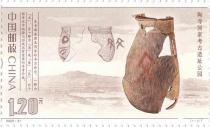
比甲骨文早800年 这个扁壶留下了4000年前的文字密码
“最早的汉字雏形”可以追溯到什么时候?4000多年前的陶寺先民把“答案”写在了这件残破陶器上今天带你一起认识它4000多年前的“文”字长啥样?1984年
百年难遇“早立冬”来了!有啥讲究?早看早准备!
今日,我们迎来立冬节气,冬季自此开始。立,建始也;冬,终也,万物收藏也。立冬,意味着生气开始闭蓄,万物进入休养、收藏状态。其气候也由秋季少雨干燥向阴雨寒冻的冬季气候过渡。
百年一遇“晚重阳”上线!这些玄机你知道吗?
今天是重阳节,又称重九节、茱萸节、登高节、敬老节,是我国庆祝丰收、祈福长寿,表达对老人尊敬与爱护的节日,时间在每年的农历九月初九。
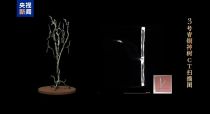
三星堆公布重大发现!专家:种种迹象表明,三星堆可能爆发过内战,神权贵族集团受到严重打击,城市水系也因此改变
今天,四川省文物考古研究院发布了三星堆遗址多学科研究最新成果。
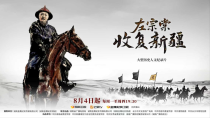
纪录片《左宗棠收复新疆》被赞“破冰”,以真实历史打动观众
全面展现左宗棠收复新疆全过程,重现重大历史事件全貌,8月28日,纪录片《左宗棠收复新疆》研讨会在京举行。

119.66亿元!2025年暑期档红火收官
根据国家电影局统计,2025年暑期档电影总票房为119.66亿元,观影人次为3.21亿,同比分别增长2.76%和12.75%,国产影片票房占比为76.21%。
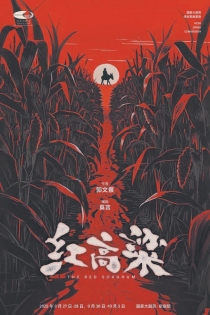
国家大剧院原创民族歌剧《红高粱》9月首演 中国风歌剧新样本诠释民族血性
2025年是中国人民抗日战争暨世界反法西斯战争胜利80周年,9月27日至10月3日,国家大剧院原创民族歌剧《红高粱》将迎来世界首演。

乾隆帝的“大玩具箱”首次展出!这场大展探究中国造物如何慕“古”求“新”
从211件故宫珍藏文物中,探究清代宫廷设计师们如何慕“古”求“新”。7月4日,“达古今之宜——清代宫廷设计潮流展”在嘉德艺术中心开幕。

小暑来了,入伏还远吗?7月20日入伏,共30天!
古人说,“暑,热如煮物也”。小暑时节天气变化,就是由“烤”到“蒸”的转变。一般入伏正好是在小暑期间。今年7月20日入伏,持续30天。




 京公网安备 11011202003835号